The Benefits of Craniosacral Therapy


Craniosacral therapy is one of the emerging modalities used to treat various health issues. It has gained a lot of attention because it offers a non-invasive, holistic approach to therapy with an aim of improving health. The foundation of Craniosacral Therapy is the belief that the body can heal itself if it is treated correctly. This method aims to reverse or cure the underlying reason for the disorder, thus giving the patient to enjoy long-lasting benefits.
Craniosacral Therapy (also known by cranio sensory integration treatment) is a form physical therapy. It is used to treat neurological issues muscle tensions, mental disorders and neuromuscular issues. The technique helps a patient by providing a soft and gentle touch to his inner self to correct any type of imbalance in the brain's functioning. The therapist will employ the body of an expert, the hands of a professional therapist, or the eyes of a CST practitioner to focus the light and heat energy to the affected areas. The craniosacral practitioner works with the patient to help him or her focus on the goal of heal that area or part of their brain.
It is considered to be a reliable treatment option for reducing the adverse effects of certain drugs and treatments. People who have chronic neck pain, joint pain, or muscle pain, and other related ailments, could benefit from this treatment. The treatment provides immediate and long-term benefits to patients by improving their health, alleviating the symptoms that accompany it and relaxing the patient. The benefits include relief from stiffness, muscle spasms and neck pain and headaches.
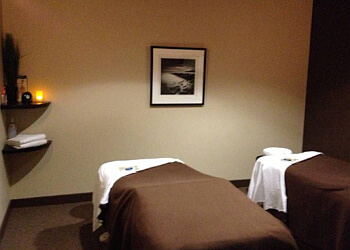
The effectiveness of craniosacral therapy is due to its ability to directly access the subatomic level of the brain to treat specific neurological issues which are believed to be caused by sub-space energy blockage. These blocks in energy are eliminated so that messages can flow freely throughout the nervous system, brain and the spinal cord. 출장안마 A trained practitioner uses gentle, hands-on manipulation to manipulate the soft tissues of the neck and the brain. Craniosacral practitioners believe that they work with the patient by focusing on the brain's energetic structure and working with the physical structure of the body and by using specific massage techniques.
The belief of practitioners is that the sub atomic level is linked to the structure and function of the human body. This can lead to neurological or mental conditions like emotional disorders or tension in muscles, as well as headaches. It is believed that if the correct therapy can be targeted at this level, it will alleviate or eliminate symptoms of this condition. This is possible by using low-energy laser beams focused on the affected area of the brain.
Craniosacral therapists are required to obtain formal education before practicing this technique. A basic training program typically lasts for six months, and is followed by an apprenticeship year in an accredited clinic in the state. During the apprenticeship period, the practical skills are enhanced by working with an experienced therapist who teaches the skills through hands-on practice. After completing the course of study, the trainee is evaluated to determine how well he can apply the theories learned regularly. After the completion of the course the student is given further training with a certified therapist who assesses and improves the skills of the practitioner.
There are a variety of methods of craniosacral therapy. These include touch therapy, pressure points manipulation and pressure point pressure. A skilled therapist employs specific methods, like moving and holding various parts of the body of the patient. 로켓마사지 The massage table used is adapted to each client in accordance with their requirements. The physical examination of the patient is an integral part of the training plan of the therapist.
Additionally, cranial therapists should be aware of the various techniques of chiropractic therapy. This includes the study of vertebrae, nerves and their roles in the nervous system. They also learn how the spinal cord and nervous system interact. This interaction affects the functioning of the body's organs. Therefore an experienced therapist must possess basic understanding of anatomy, physiology, and nervous system.